
The Butterfly, explained
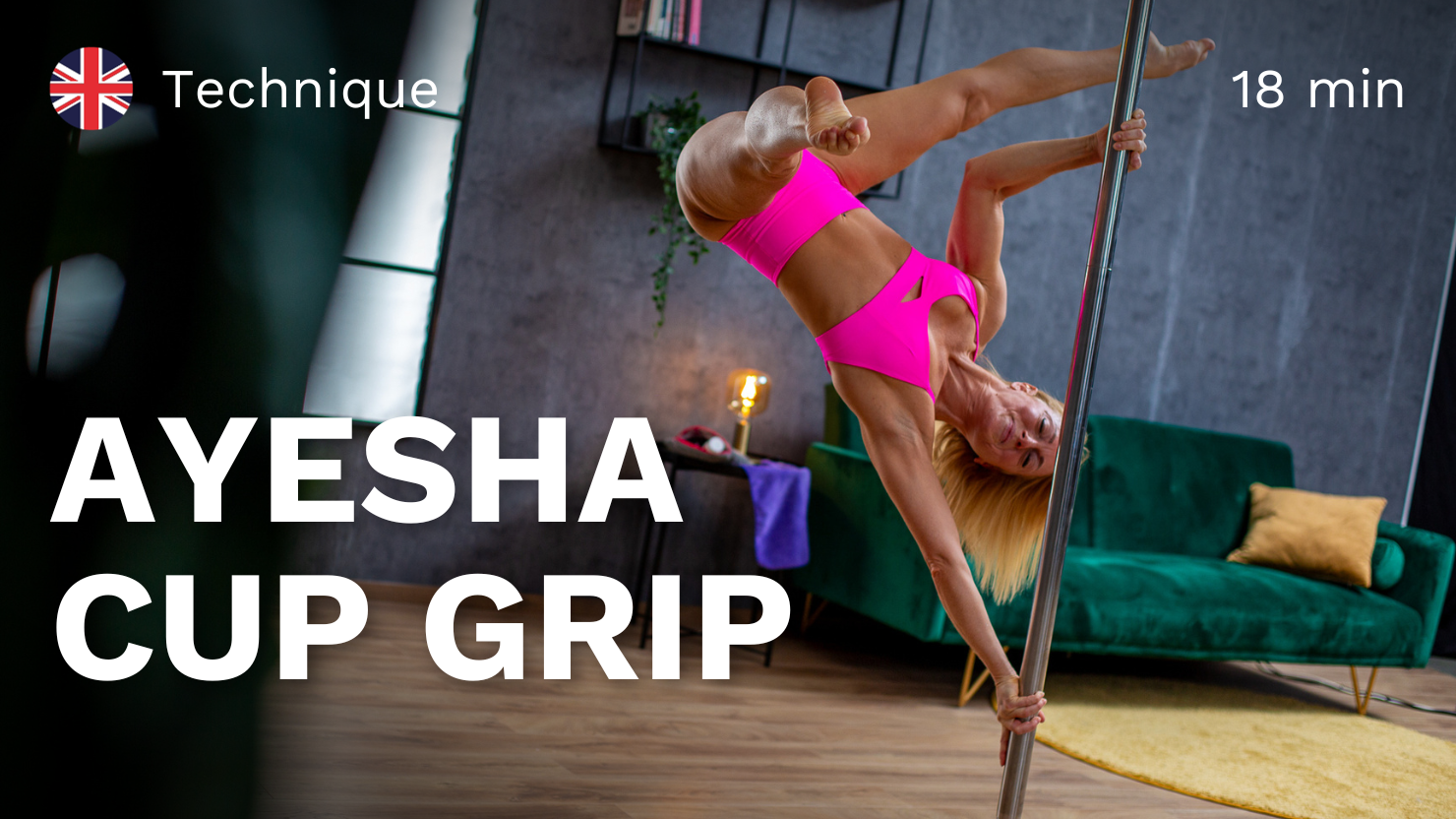
The Butterfly pole move is often the first time your body opens away from the pole while you are upside down, and it feels like a real turning point. You hang inverted with one leg hooked around the pole and the other reaching away, and the whole line looks light and wing-like. It is also the foundation for bigger goals like the Ayesha.
What is a Butterfly?
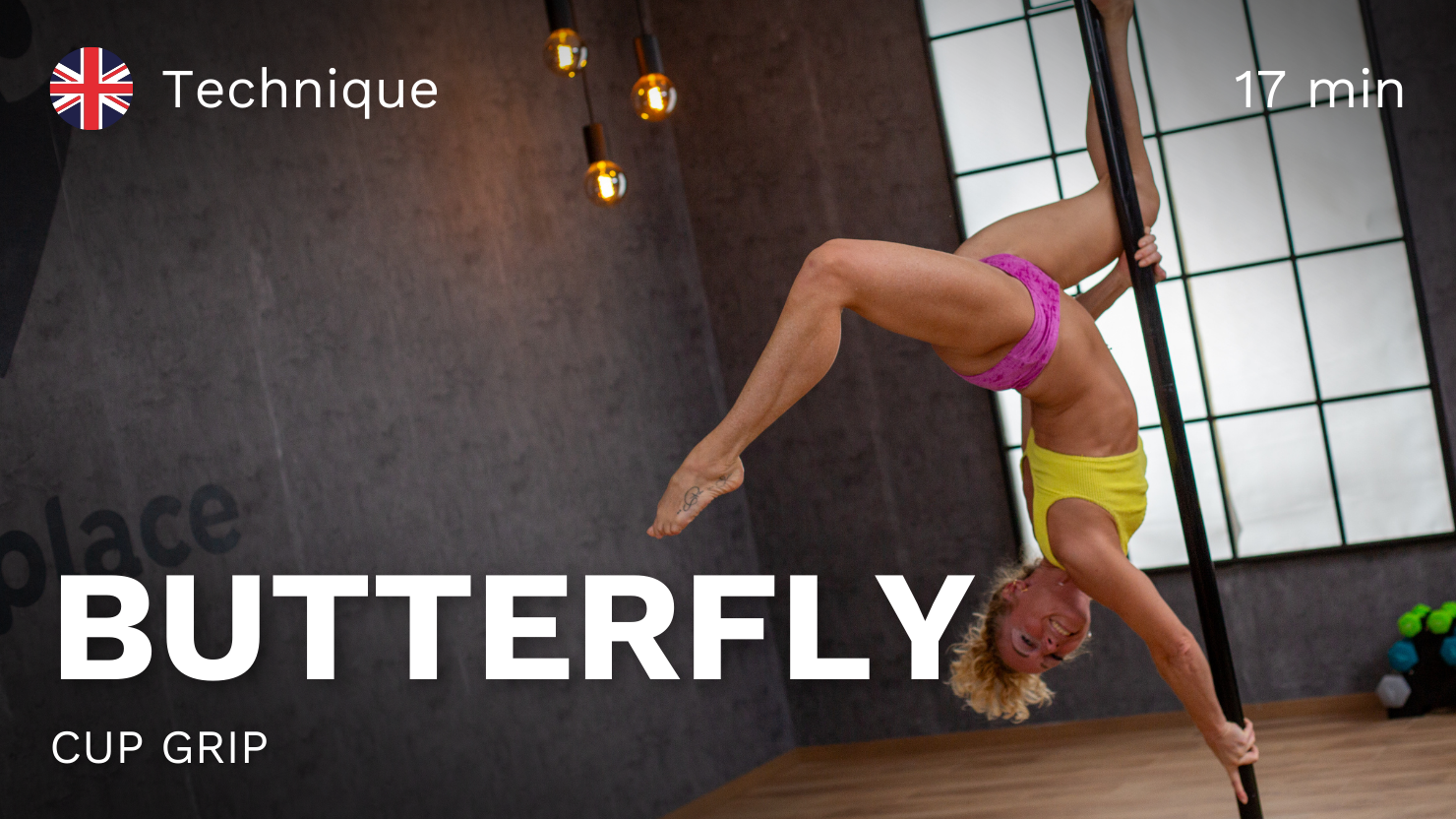
In this pole dance move, you are upside down beside the pole. Your hands hold the pole, one leg wraps around it and the other leg extends into the air, so your body opens out to the side. That open, wing-like shape is where the name comes from. In photos it looks effortless, but it is an active hold, and that is exactly what makes it so satisfying once it clicks. When your legs reach further away from the pole in long lines, you get the Extended Butterfly, a harder version many dancers work towards next.
Is the Butterfly good for beginners?
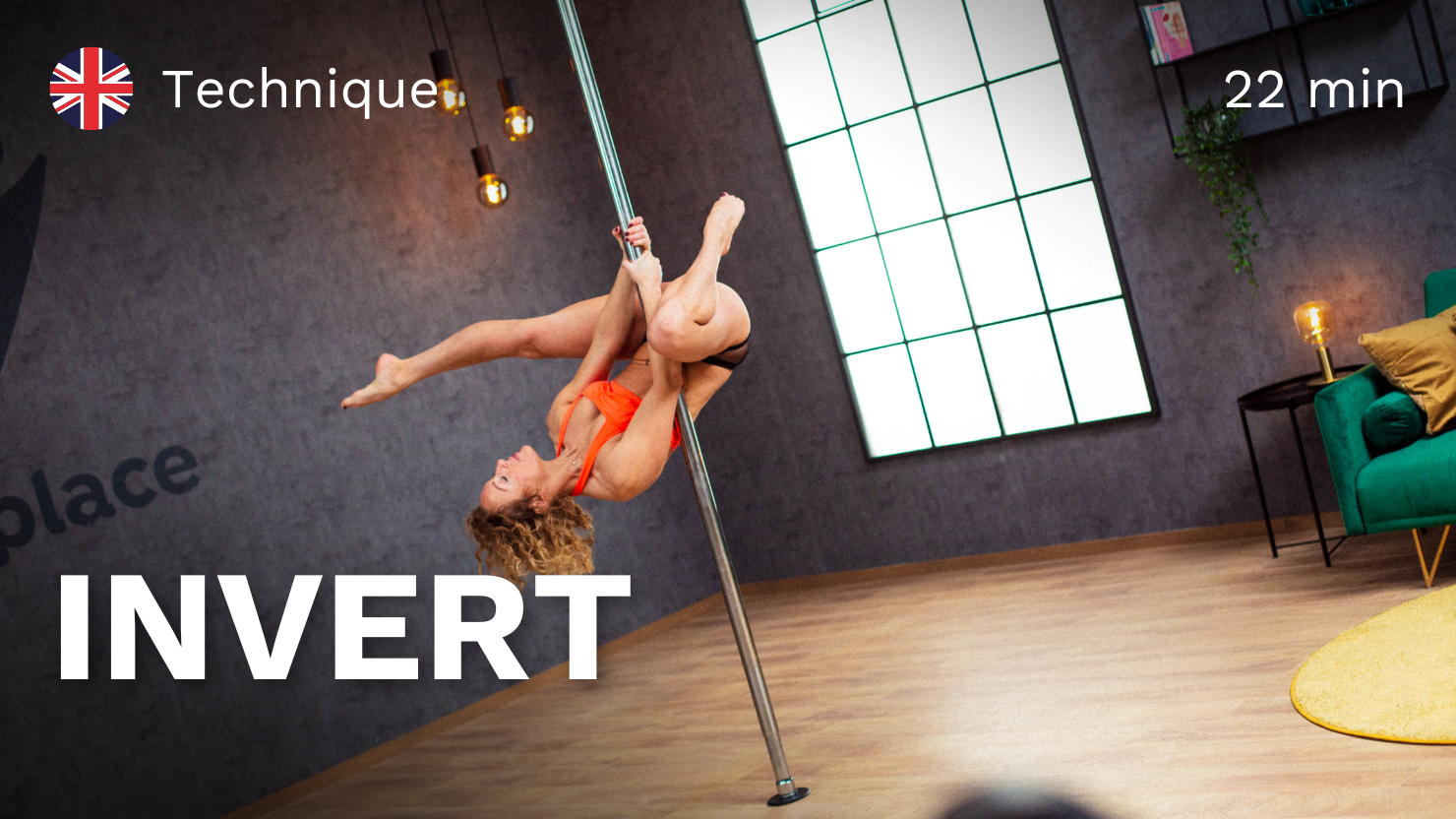
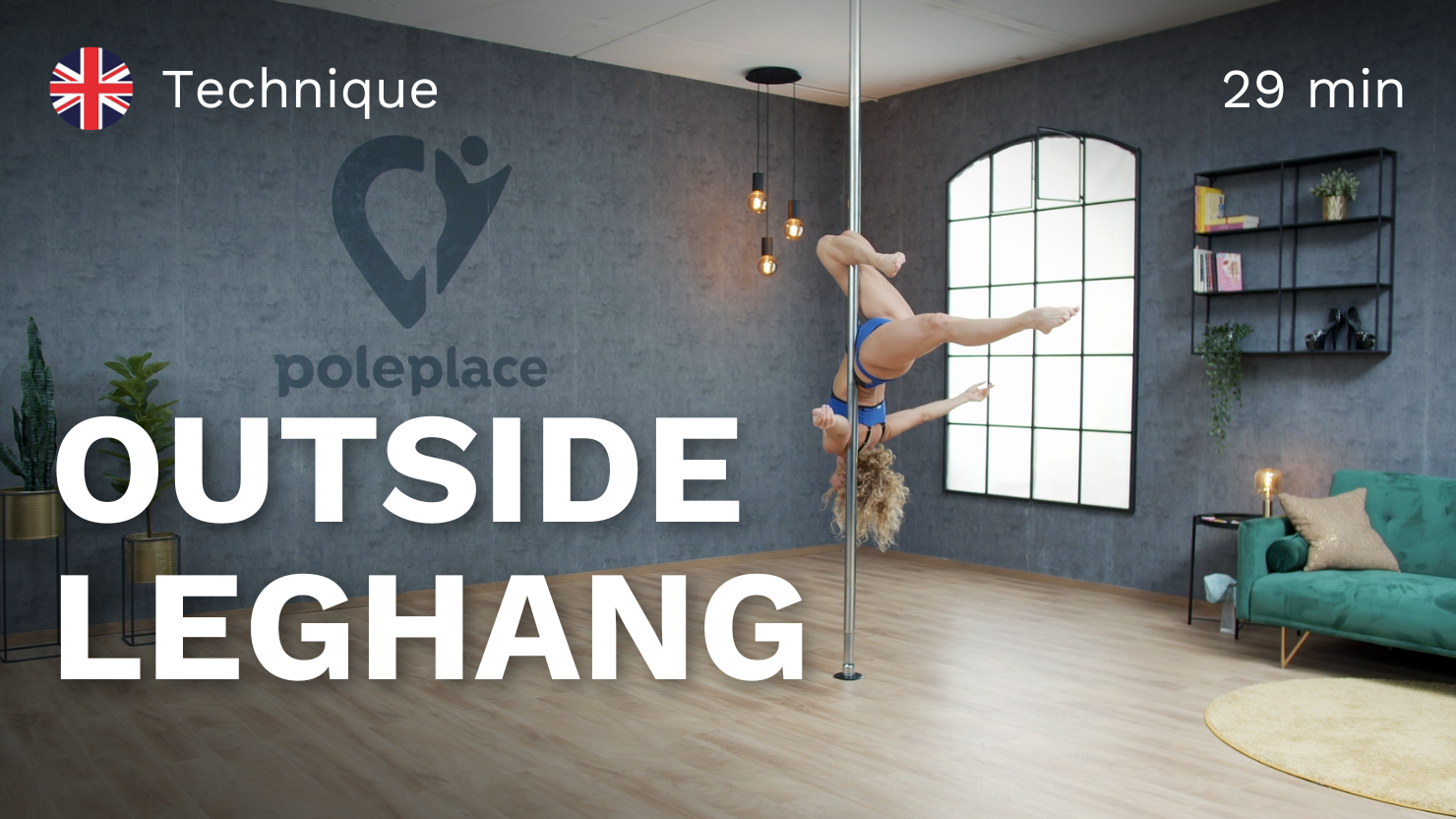
It is not a first-week move, and it does not have to be. It comes once you can go upside down calmly and with control, so it is a lovely next goal after your Invert. A comfortable Outside Leg Hang helps too, because you already know how it feels to trust one leg on the pole. If your first tries feel wobbly or heavy, you are in good company. That is how almost everyone starts.
What it builds: strength, grip and body awareness
This shape works your shoulders, upper back, arms and core, and it trains your grip while you are inverted. It also builds body awareness upside down: feeling where your hips, legs and chest are without seeing them. A bit of hamstring flexibility makes the free leg look long and open, but strength and control matter more. One tip that works for everyone: be patient with yourself, film your attempts if you like, and notice the small changes from week to week.
Butterfly pole grips: the variants
You can hold the same shape with different grips, and each one feels a little different. At POLEPLACE you will find tutorials for the Normal Grip, Twisted Grip, Cup Grip, Elbow Grip and Flag Grip. Some grips share the work in a way that feels friendlier, others ask more of your shoulders and grip strength, and they also change how the shape looks. Start with the one your coach suggests, often the Normal Grip, and add the others one by one. If you would like to work through the grips in a set order, there is also a course for this.
Static or spinning pole?
Most dancers learn it on a static pole first, so the pole stays still and you can focus on the shape. On a spinning pole, the shape turns slowly with you, which looks beautiful and feels a bit like floating, but it adds movement while you are upside down. Once your static version feels calm, spinning is a fun next step.
How you learn it at POLEPLACE
With the Floor-Stand-Air Method™, you explore the shape on the floor first, then prepare the positions standing, and only then take it into the air. Shorts or bare legs help, because skin contact gives your leg on the pole something to hold on to, and skipping body lotion before training keeps you from slipping. The tutorial gives you the exact cues. After your Butterfly, the Butterfly Lift and later the Ayesha build on the same strength.