
The Invert, explained
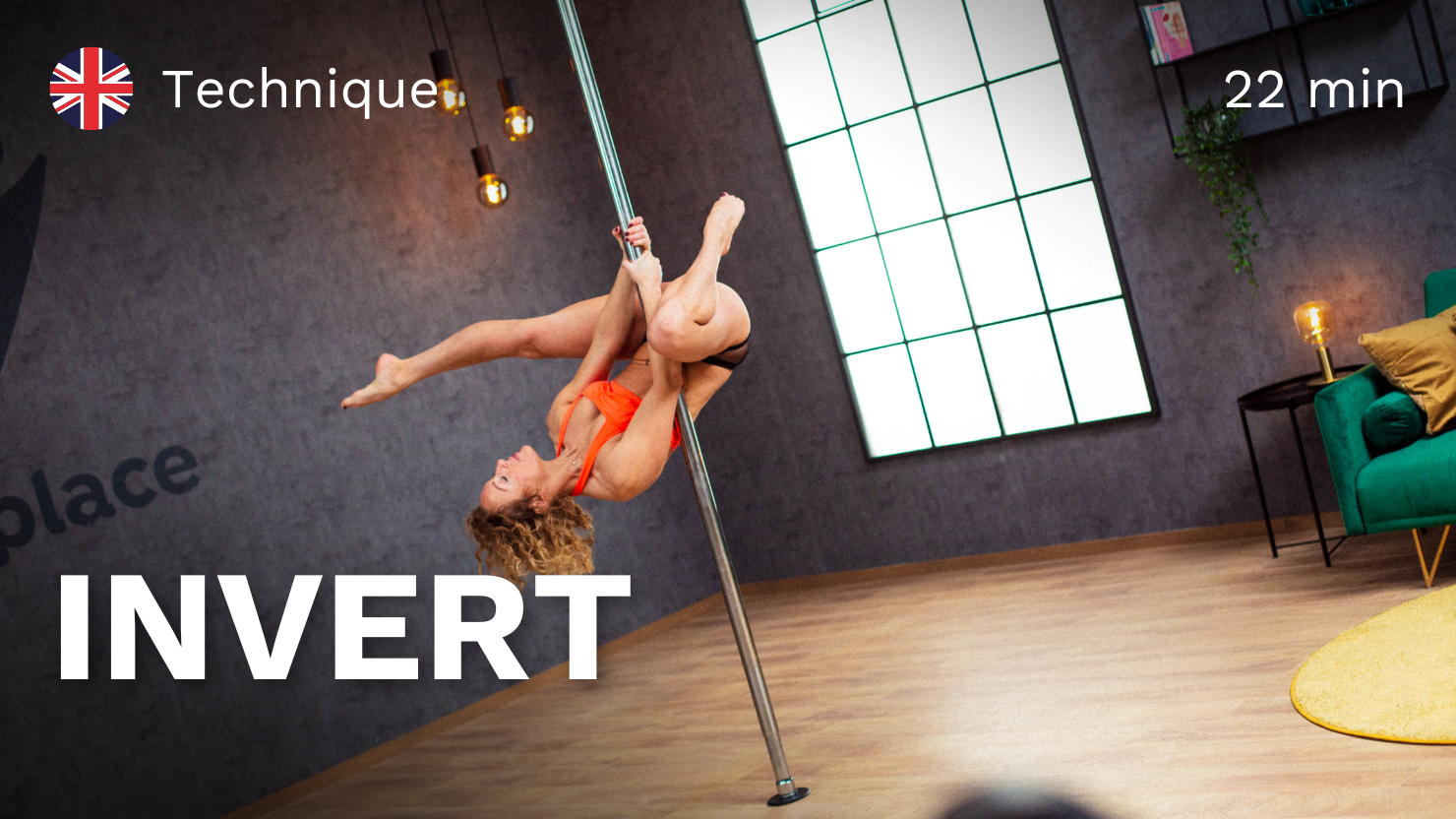
The Invert pole dance move, also known as the Chopper, is the moment your pole world turns upside down for the first time. It is the move where your hips come up over your head, and it opens the door to a whole new family of shapes. That is exactly why it deserves patience, good preparation and a coach by your side.
What is an Invert in pole dance?
You start upright at the pole and bring your hips and legs up until you are upside down. In the classic version your legs end up open in a wide V on either side of the pole, which is where the name Chopper comes from. Other names you might hear are Basic Invert or V Invert. From that shape you can come back down or continue into other inverted moves. How you hold the pole and how you get up there is what the tutorial and your coach take you through, and those details matter a lot.
Is the Invert for beginners?
It is usually the first upside-down pole dance move, but not one for your very first sessions. Going upside down asks for strength and body awareness that you build bit by bit through spins, climbs and conditioning. If it feels far away right now, that is completely normal. Think of it as a milestone you are growing towards, not a test you have to pass.
What you need before your first Invert
Before you try it on the pole, you want to feel comfortable in beginner spins and simple holds, and you want some strength in your core, shoulders, back and arms. Floor exercises that get you used to being upside down help a lot too. For the first tries on the pole, train with a coach or experienced spotter and a crash mat underneath. The everyday basics count here as well: shorts or bare legs, no body lotion, clean dry hands and a clean pole. And if anything hurts or feels out of control, that is your sign to stop and come back to it another day.
Static or spinning pole?
Most dancers learn the Invert on a static pole first, because it stays still and gives you a steady point of reference. On a spinning pole the pole keeps moving while you are upside down, and that feels like a different move. POLEPLACE has a separate tutorial for the spinning pole version, and it is worth saving for when the static one feels solid and controlled.
How you learn it at POLEPLACE
The Invert follows the Floor-Stand-Air Method™ like every move here. You start on the floor, getting to know the shape and the strength it needs without any height. Then you work on the preparation standing at the pole, and only then does it go into the air. Step by step, without pressure, you get to the point where being upside down feels safe and yours.
Variations and what to learn next
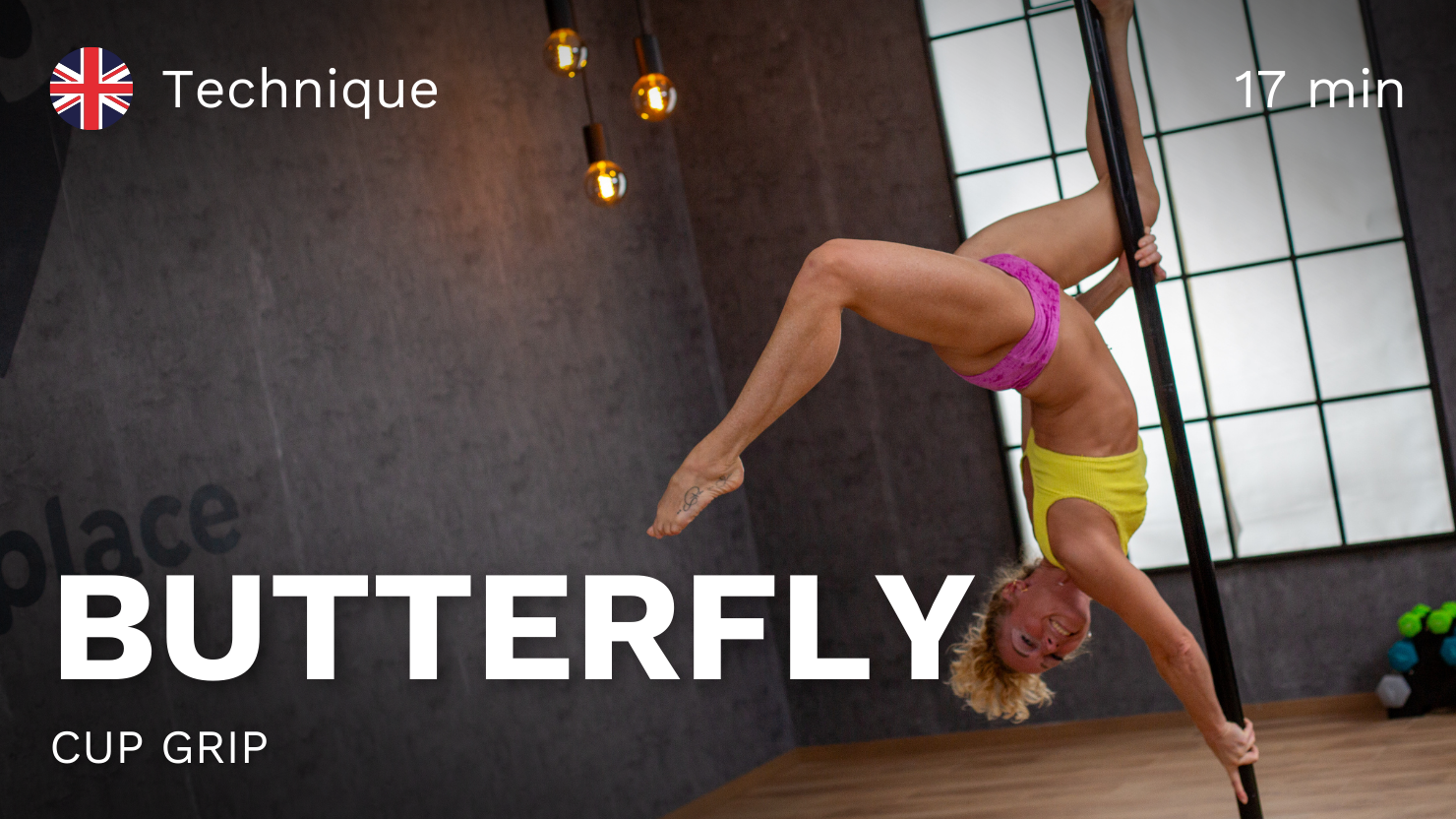
Besides the classic version, there are grip variations such as the Invert with wrap grip, and the spinning pole version mentioned above. Your coach can tell you when a different grip makes sense for you. Once your Invert feels controlled, moves like the Inverted Position (also called Crucifix) and the Butterfly are typical next steps. There is also a masterclass if you want to refine your technique. Take your time with each new shape and keep up the conditioning.