
The Martini, explained
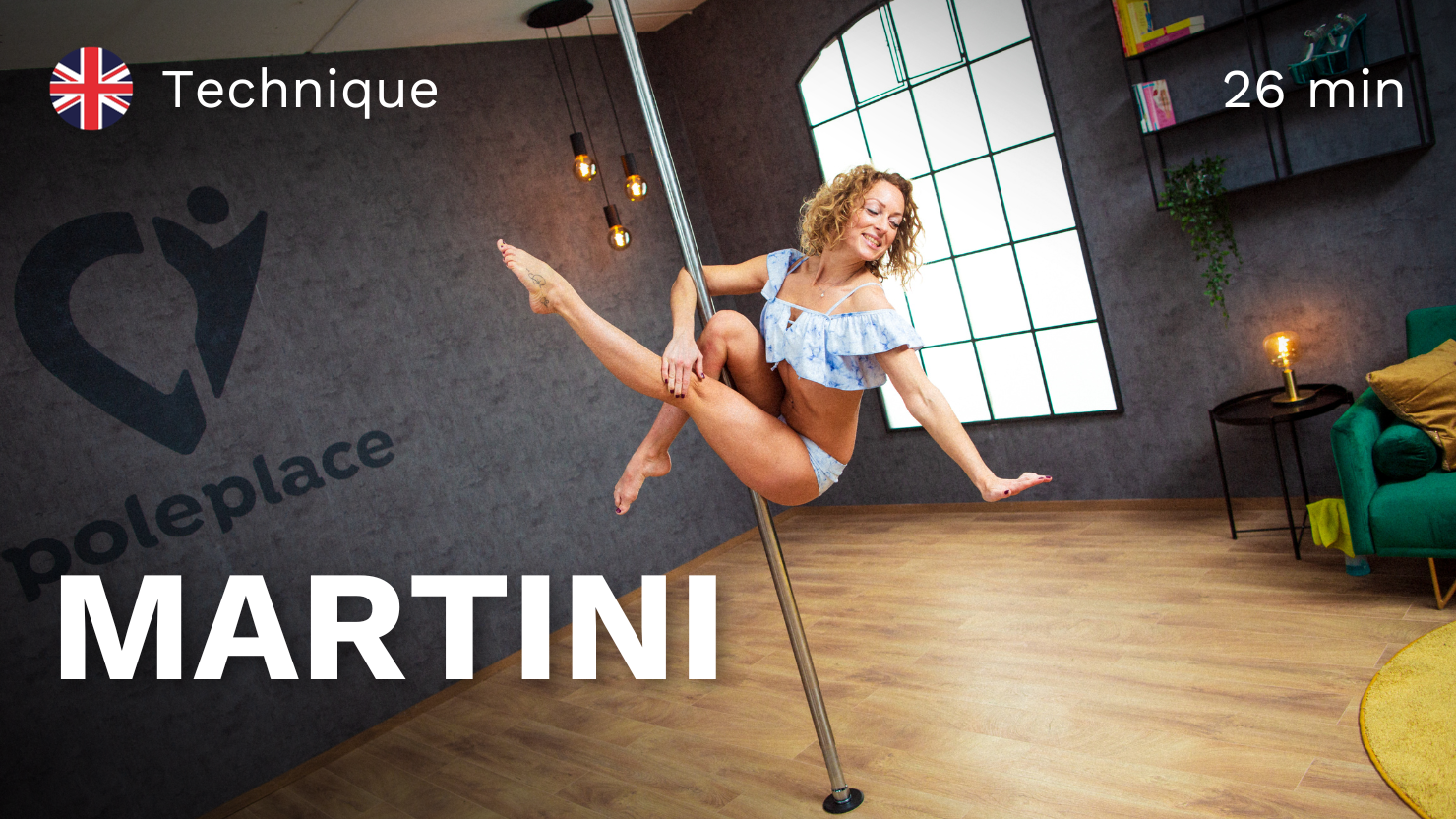
The Martini pole dance move is one of those shapes that makes you feel instantly elegant. One knee hooks around the pole, the other leg reaches out long and pointed, and your free arm opens into the room, so the whole picture looks light, poised and a little bit glamorous.
Martini pole dance: what does it look like?
Imagine yourself off the floor, close to the pole, with your legs drawing two very different lines. The hooked leg is bent and keeps you connected to the pole, the other leg stretches away with a pointed foot, and your upper body opens to the side. The result is a compact shape with a lot of style. You can hold the Martini as a pose on a static pole, or let it turn slowly with you on a spinning pole, which is why it shows up in so many pretty combos.
Is the Martini good for beginners?
It is a lovely goal for the stage right after your very first moves. It asks you to trust your knee on the pole while the rest of your body opens away from it, and that trust grows best once you have played with a few spins and a Knee Hook. If the shape feels shaky or your extended leg will not stay where you want it at first, that is completely normal. It is a hold that settles in bit by bit.
Static or spinning pole?
On a static pole the Martini is a calm, posed moment. You have time to feel where your legs are and to lengthen the lines. On a spinning pole the shape travels with the pole and turns into a slow, dreamy rotation that looks beautiful on camera. Many dancers enjoy learning it on static first and then trying spinning mode once the shape feels familiar.
What it builds: leg grip, lines and control
This pole dance move trains the connection between the back of your knee and the pole, your grip, and the control to keep your body lifted and open. It is also wonderful for working on lines, because the contrast between the bent and the extended leg makes every pointed foot visible. A bit of flexibility helps the long leg look effortless, but control matters more than range. One practical tip for every knee-hook move: shorts or bare legs, so your skin has contact with the pole, and no body lotion on training days.
How you learn it at POLEPLACE
At POLEPLACE you learn this shape with the Floor-Stand-Air Method™. You explore the shape on the floor first, then prepare the positions standing at the pole, and only then lift into the air. That way each stage feels like a small win, in your own space and at your own pace. The tutorial gives you all the details, so you can simply focus on how the shape feels.
Variations, combos and what comes next
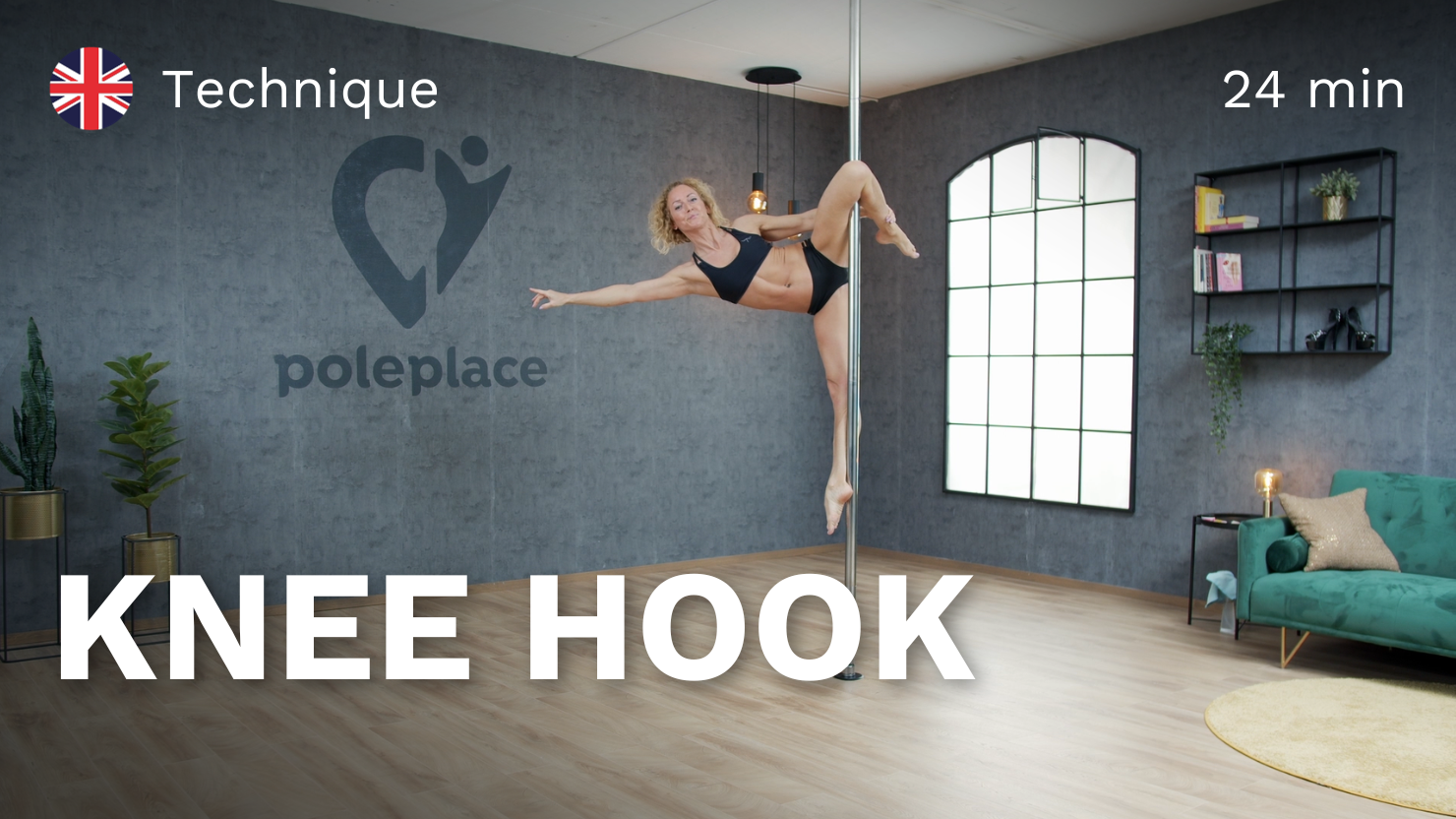
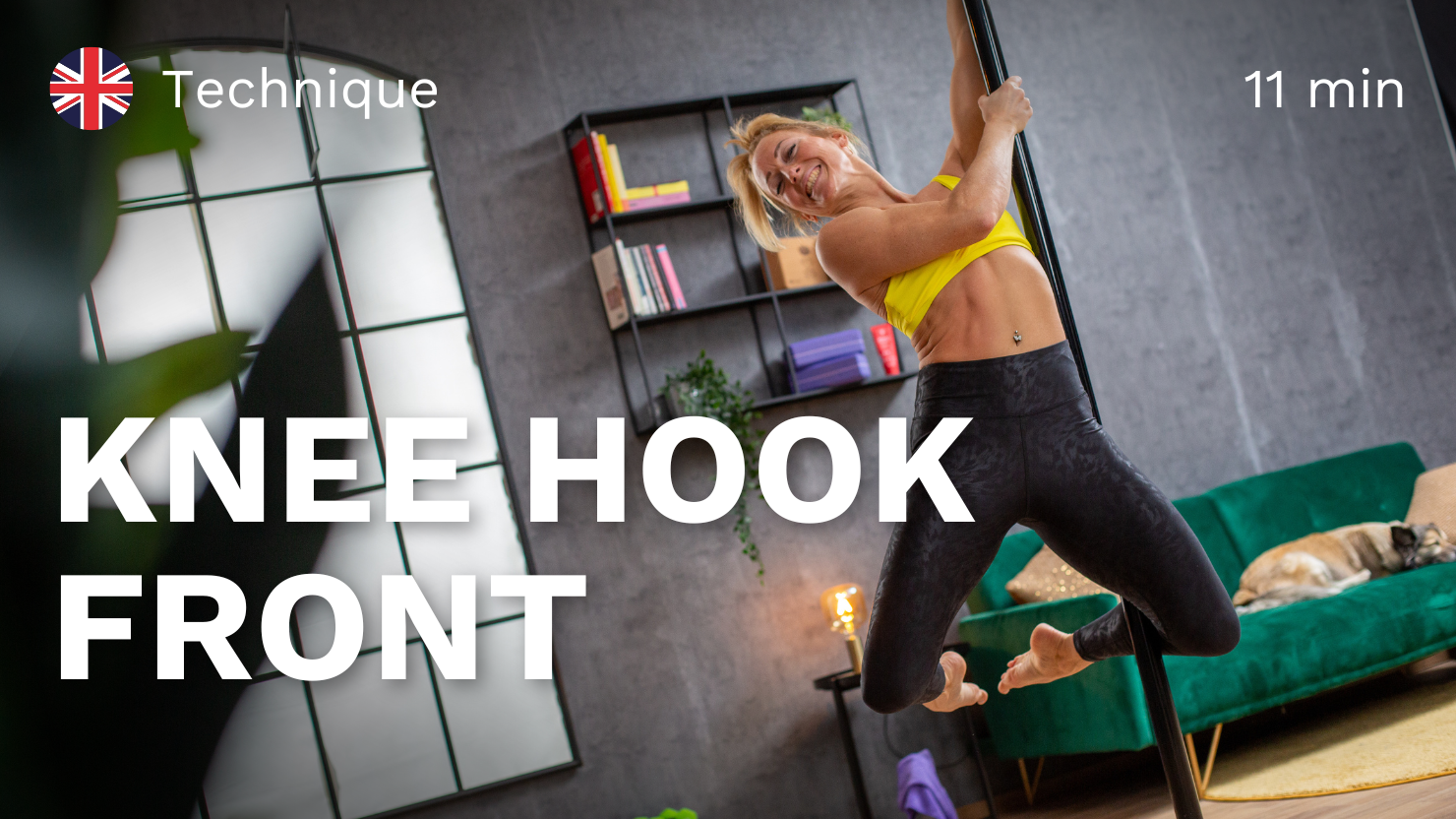
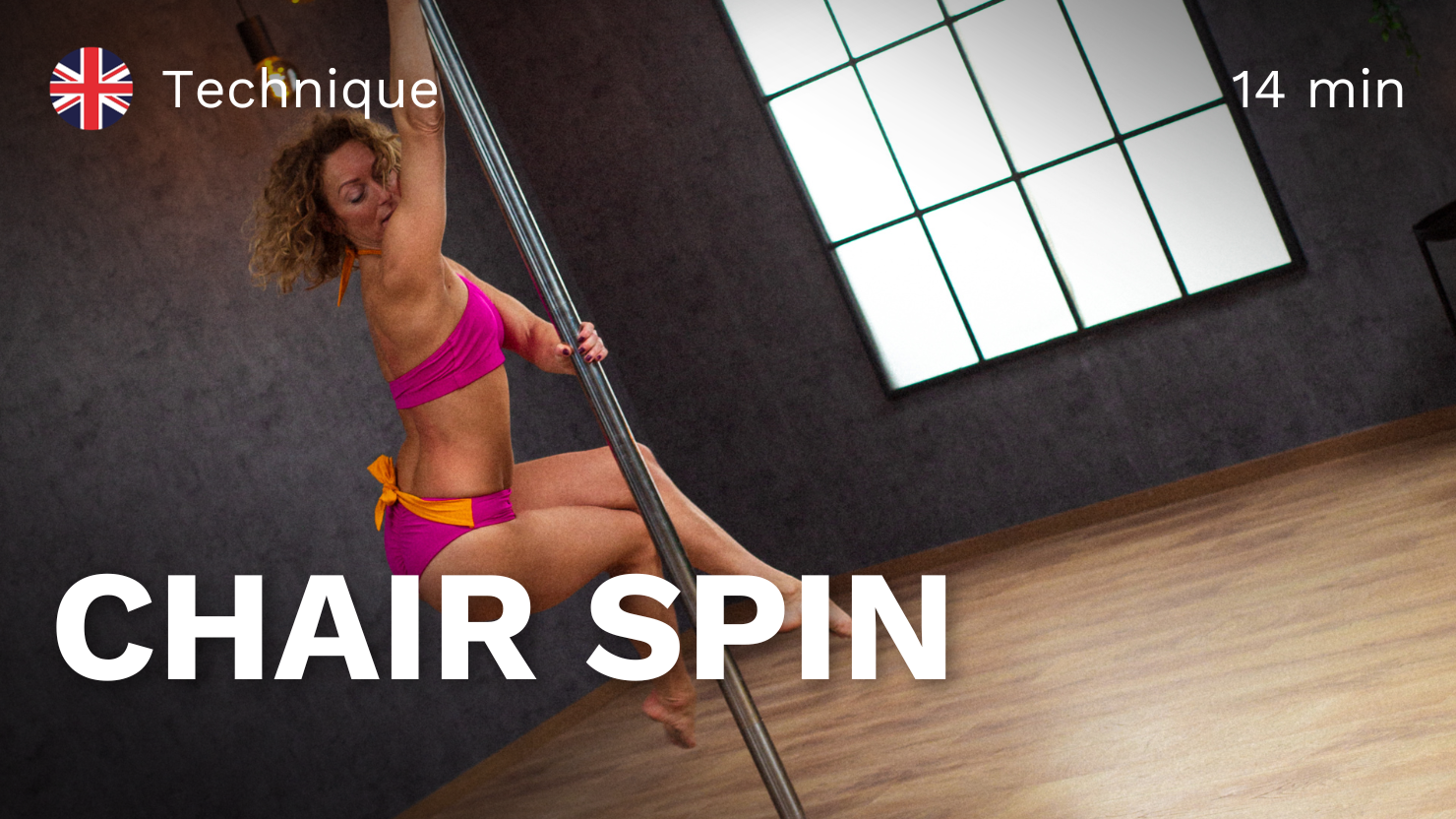
Once the shape feels settled, play with it. Change where your arm reaches, soften or stretch the free leg, or let it flow out of a spin and back down into floor work. The Baby Knee Hook and the Knee Hook are close relatives and great companions, while the Knee Hook Front and the Chair Spin fit beautifully before or after it in a little sequence that already feels like dancing.