

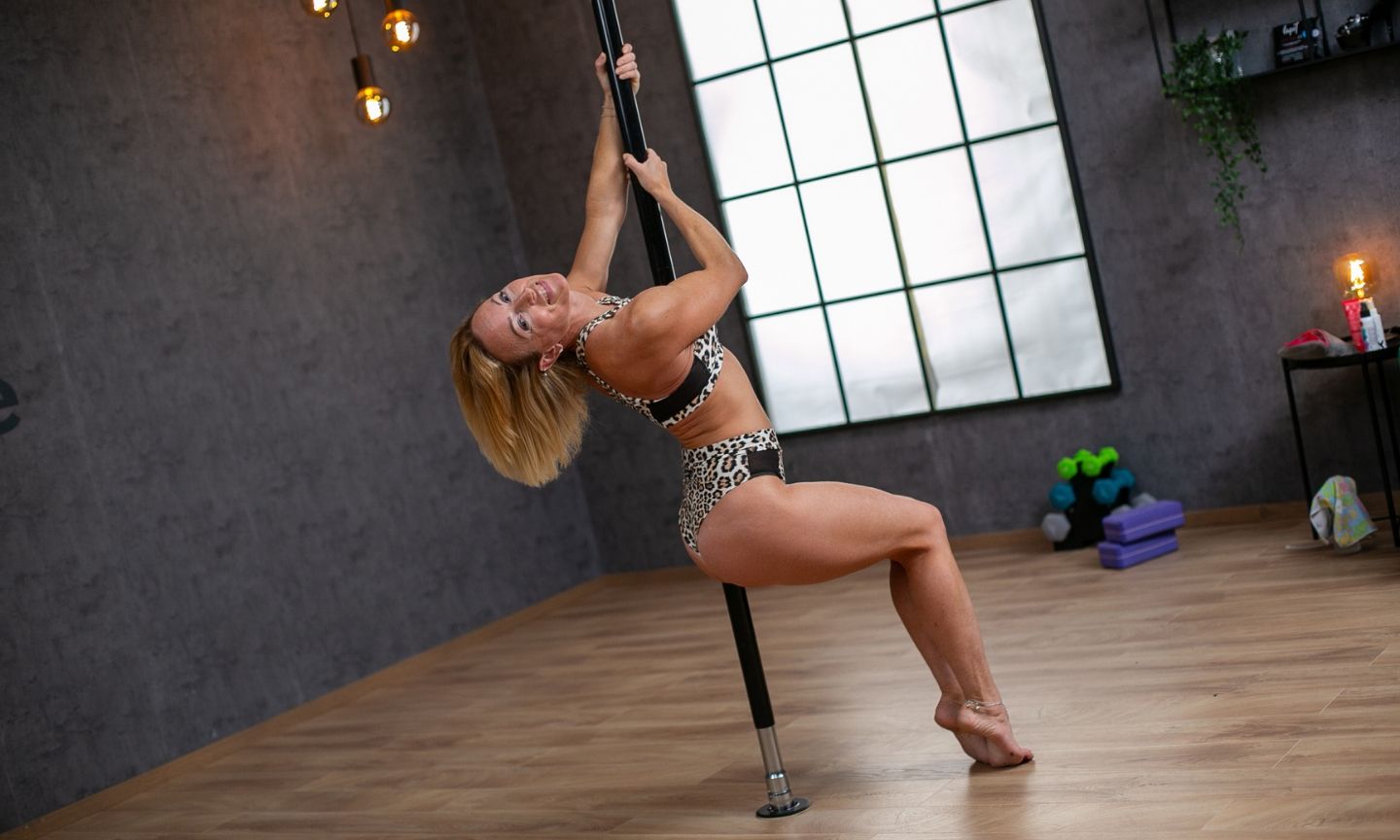
Pole dancing has quietly entered mainstream pop culture. Not as a trend, but as a tool. A tool for strength, self expression, storytelling, and personal freedom. Some women found pole through fitness, others through art or survival. What they all share is that pole gave them something they needed at that moment.
Jennifer Lopez: Discovering Pole Through Hustlers

Jennifer Lopez began pole dancing while preparing for her role in the movie Hustlers. What started as character research quickly turned into intense physical training. She trained for months with professional pole dancers, learning climbs, holds, transitions, and inversions.
In interviews, she described pole as one of the hardest disciplines she had ever trained for. Her experience helped shift public perception by showing pole as elite level strength work rather than a visual gimmick.
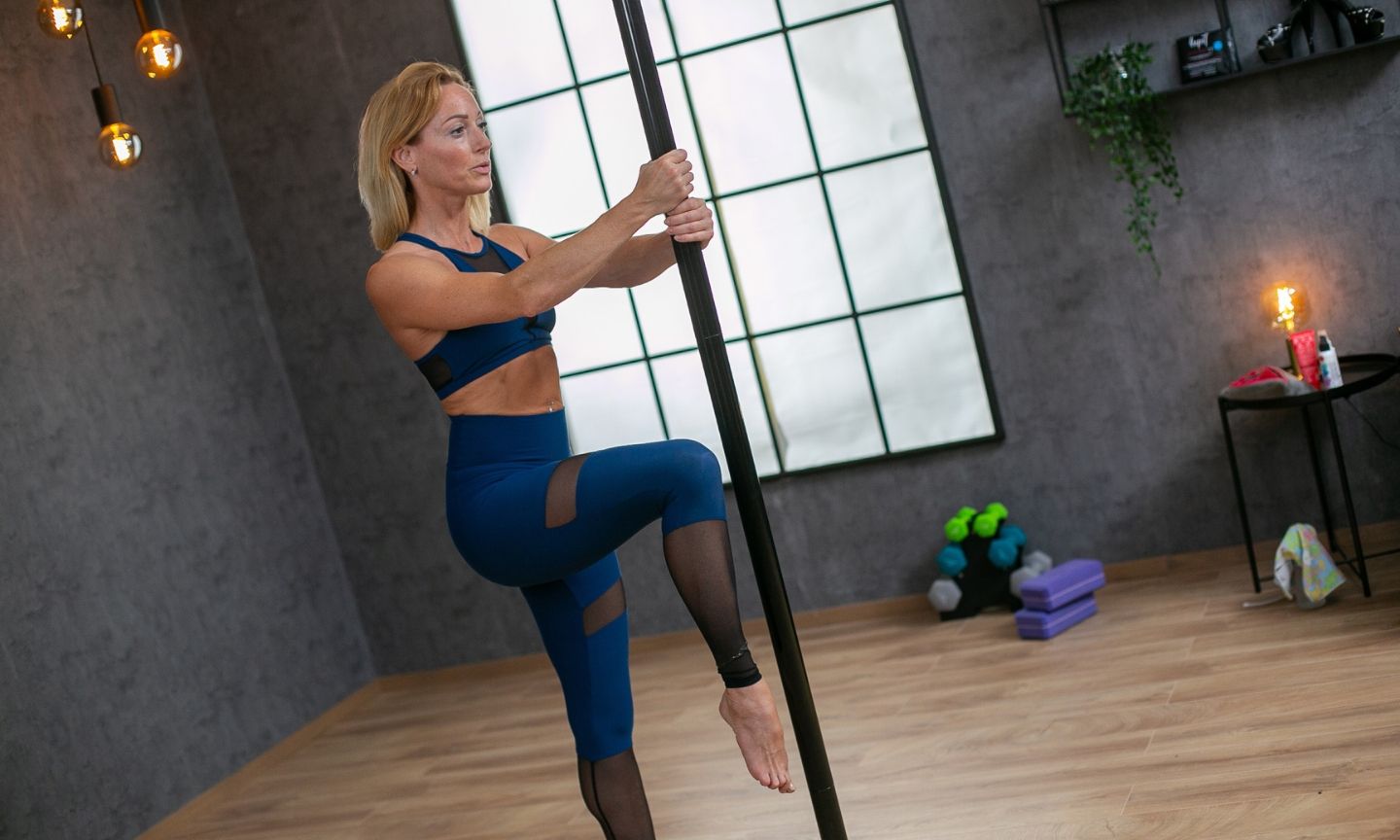
Cardi B: Pole as a Part of Real Life

Cardi B did not discover pole dancing through fitness culture or film. She learned pole while working as a stripper before becoming famous. For her, pole was directly connected to financial independence and personal survival.
Even after global success, she continues to acknowledge that part of her life openly. She refuses to distance herself from pole or sex work and regularly defends women in the industry. Her journey shows pole as a real skill rooted in lived experience, not fantasy.
Britney Spears: Pole as Personal Freedom

Britney Spears began sharing pole dancing videos from her home during a period where reclaiming autonomy was deeply important to her. She reportedly installed a pole at home and posted videos dancing freely without choreography or performance pressure.
Pole appeared as a form of movement, release, and reconnection with her body. There was no audience to impress. For many women, these moments felt deeply relatable and honest.
Kate Hudson: Pole as Fitness and Joy

Kate Hudson shared pole clips as part of her fitness routine during a training phase. Media coverage focused on strength and athleticism rather than sexuality.
Her journey mirrors how many women discover pole. They start out of curiosity or fitness goals and stay because pole feels playful, challenging, and empowering. It turns training into something joyful.
SZA: Pole as Artistic Expression

SZA used pole dancing as part of the visual storytelling in her self directed Good Days music video. The pole scene was integrated into the emotional language of the song.
Her approach focused on softness, flow, and feeling rather than tricks. This representation shows that pole can be slow, minimal, and deeply expressive.
Tate McRae: Pole as Contemporary Dance

Tate McRae comes from a professional dance background and uses pole as a choreographic tool.
Her Rolling Stone cover featuring pole positioned it clearly within contemporary dance culture.
For a younger generation, pole is not controversial. It is simply another medium for movement and expression.
What These Journeys Mean for Beginners
None of these women started pole because they were already confident. They started because something pulled them toward it. Curiosity, necessity, creativity, or freedom.
If pole feels intimidating, that feeling is real. Many women do not feel safe or comfortable in traditional studio environments. Learning at home can remove that pressure and create space to grow.
Pole is not about fitting into an image.It is about discovering what your body can do when no one is judging.
What next?
Start with Class 1 of our 12-Week Starter Course. Every move is taught with our Floor-Stand-Air Method™: on the floor first, then standing, then in the air.